Every second of our waking lives, we are conscious of our physical surroundings through our senses. Heat and cold can be pleasant or unpleasant. Sounds can relax us or make us stressed. Smells can bring pleasure or cause us to worry. Light levels can help or hinder us in what we are doing. Seeing the sky and trees can make us feel at one with nature. The presence or absence of familiar or unfamiliar things can annoy, comfort, calm or excite.
Having an awareness of what aspects of our day-to-day surroundings make us feel good or bad, particularly those aspects within our control, can help us to maximise our personal wellbeing. It is equally important to recognise that what works for other people may be different from what works for us. We can look for opportunities to help others ensure their surroundings meet their needs.
Sometimes just through small actions such as offering a bit more space, a view from a window, a breath of fresh air and the sound of birdsong, or a little extra warmth.
Indoor and outdoor environments impact our health and wellbeing
Aspects of our physical surroundings that cause us annoyance, frustration, discomfort, distress or other unpleasant feelings can impact negatively on our mental health and wellbeing. Sometimes these environmental attributes can also impact directly on our physical health and wellbeing. Often, the physical and mental health impacts of our physical surroundings are inter-related.
Examples of unpleasant or harmful environments include damp and mould, excessive cold, excessive heat, excessive or inadequate lighting, clutter or insufficient space, overcrowding, isolation or confinement, lack of hygiene, poor ventilation, flooding, littering, noise, odours, dust, smoke and structural instability.
Minimising exposure to such mental health hazards in our indoor and outdoor living environments should be seen as just as much a part of public health protection as minimising exposure to physical health hazards. But our surroundings are much more than just a source of hazards. They can and should be a source of comfort and enjoyment. Managed in the right way, our living spaces have at least as much potential to enhance the quality of our lives as they have to do us harm.
The World Health Organization defines health to mean “a state of complete physical, mental and social well-being and not merely the absence of disease or infirmity”. Good mental wellbeing consists of more than simply the absence of mental ill health. In addition to minimising exposure to environmental hazards, we should be harnessing the potential of our indoor and outdoor physical surroundings to contribute positively to that “state of complete physical, mental and social well-being”.
In accordance with the vision statement of Wales’s Mental Health and Wellbeing Strategy, we should be aiming for physical environments that promote, support and empower people to improve their mental health and wellbeing.
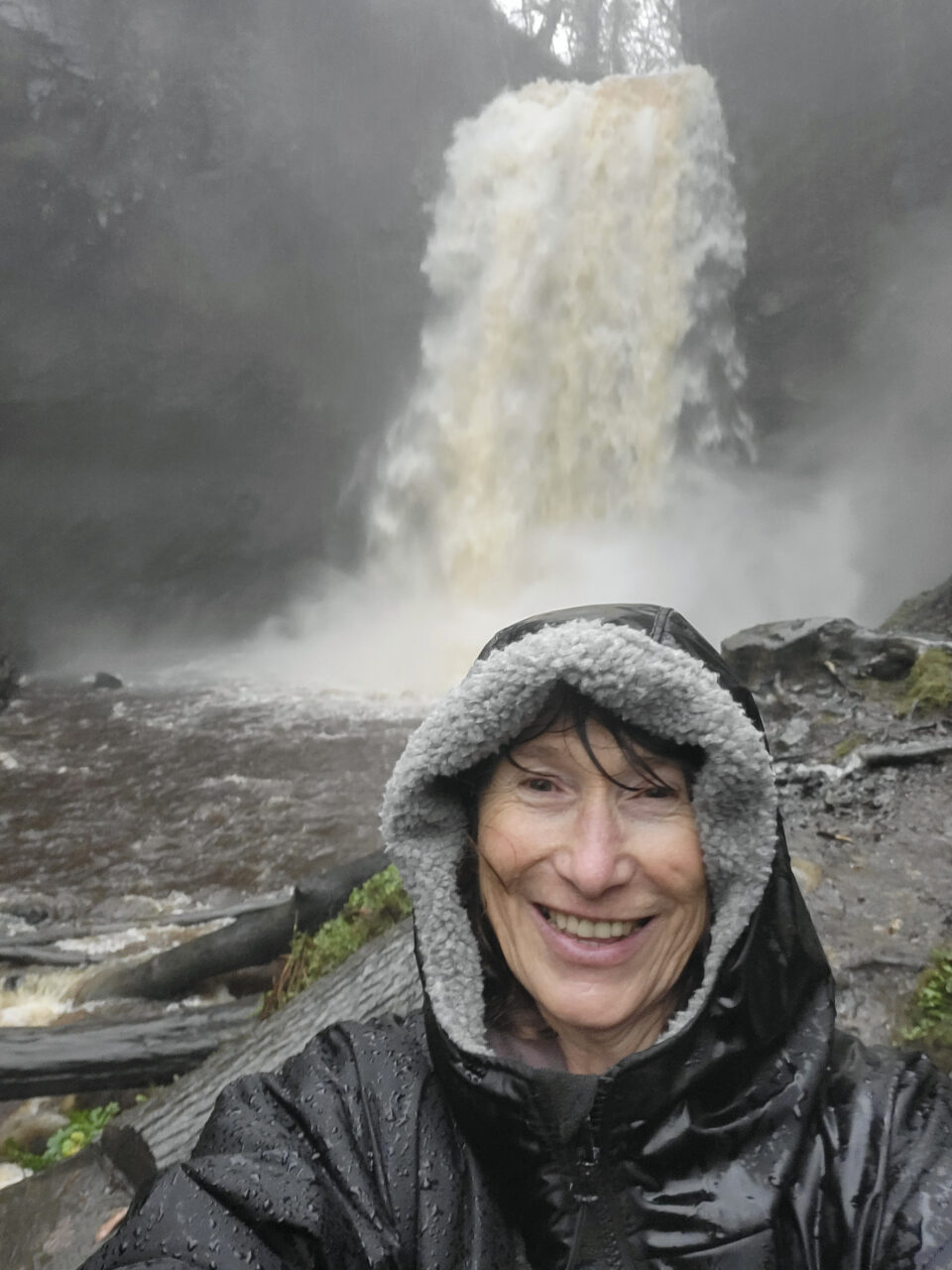
Access to nature is a key part of this. Green space, such as parks, woodland, fields and allotments as well as natural elements including trees, hedgerows, green walls and roofs and the everyday greenery around us are increasingly being recognised as an important asset for supporting health and wellbeing.
People who are more connected with nature are more likely to report being happy in their lives and feeling that their lives are worthwhile. Nature can generate a multitude of positive emotions, such as calmness, joy and creativity, and can also facilitate concentration.
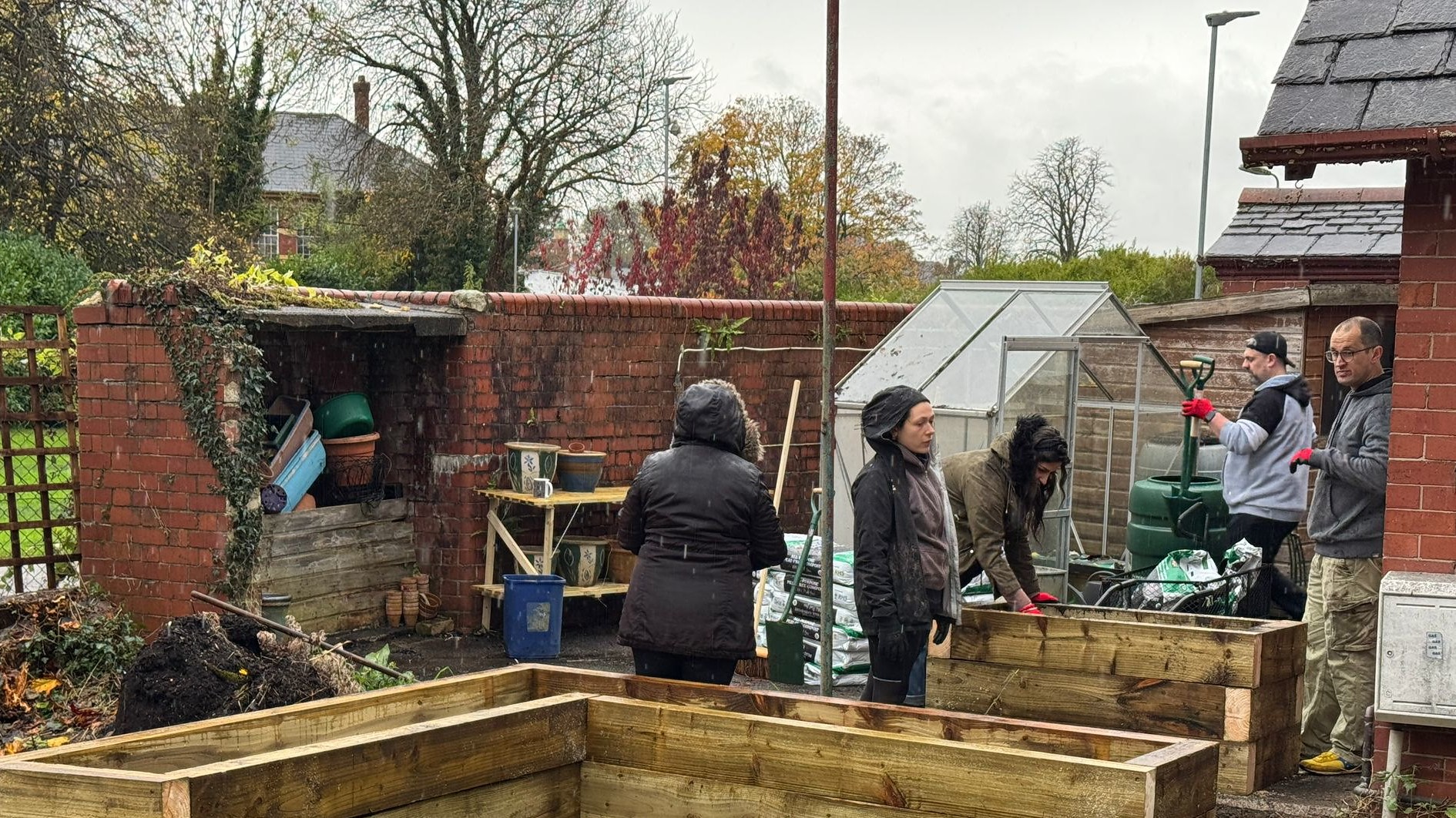
Examples from across Wales show how this can work in practice. Through the Welsh Government’s Local Places for Nature programme, communities are creating and improving accessible green spaces where people live, learn and access services.
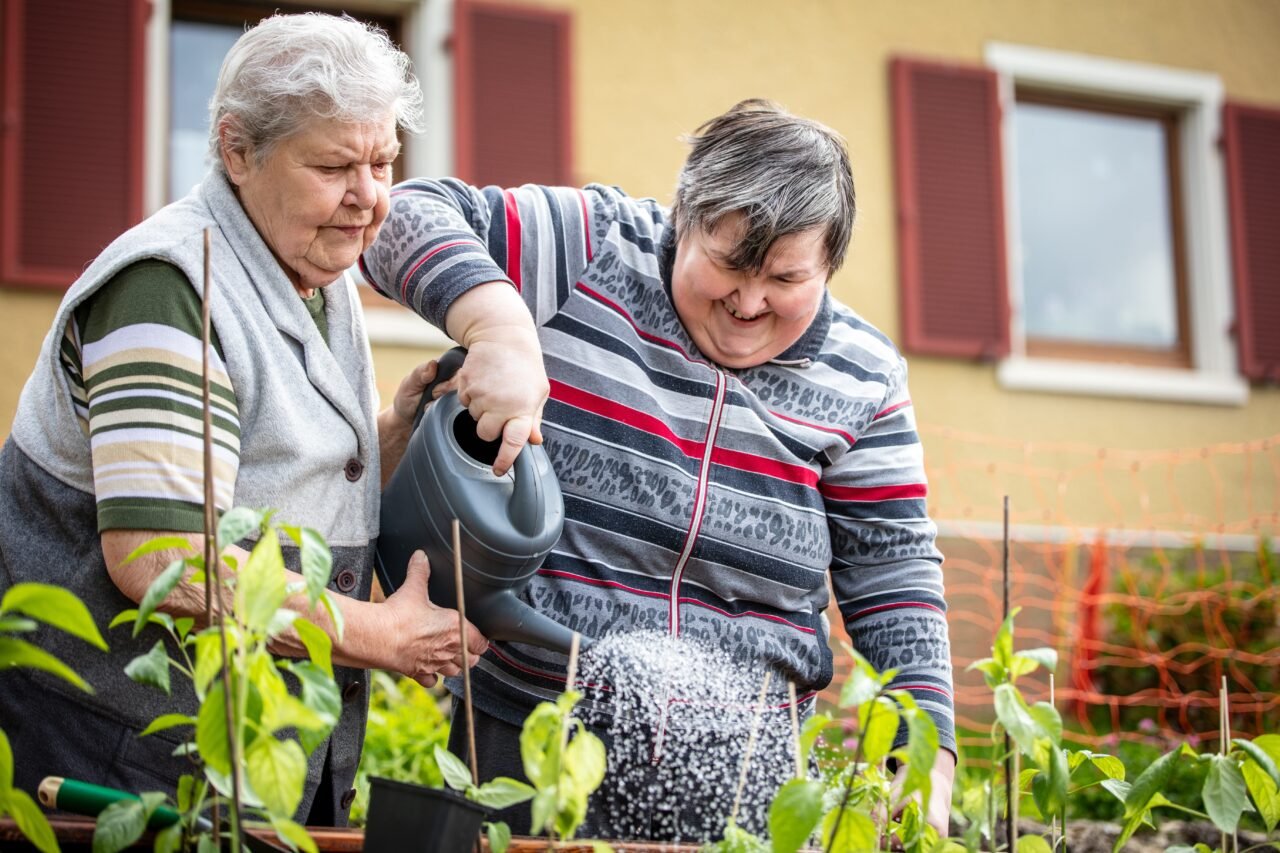
In 2025-26, recipients of garden packages reported 216 referrals through social prescribing and health referral schemes. At Cardiff and the Vale Recovery and Wellbeing College, for example, a previously largely paved site has been transformed into a food and wildlife garden. This space provides people with lived experience of mental health challenges a permanent outdoor space to spend time together, learn and connect with nature.
Elsewhere, community gardens such as Harlech combine food growing, wildlife, accessible spaces and sensory features to create places where people can meet, participate or simply find somewhere peaceful to sit and reflect.This impact is being seen at scale: during 2025-26, 1,719 volunteers involved in Local Places for Nature projects reported an improvement in their wellbeing as a result of participating.
The same principle applies at a larger landscape scale. National Forest for Wales projects are combining habitat improvement with activities that support mental and physical wellbeing. These include, forest bathing, woodland skill activities as well as creating better public access. Accessible woodland paths and facilities are enabling people with limited mobility to experience and participate in woodland activities.
Wales’s public rights of way including promoted routes such as the Wales Coast Path, Llwybr Coedwig Cymru Trail and other National Trails, provide free or low-cost ways for people to be active, connect with nature and spend time with others.
Practical initiatives show how this can work. The Wales Coast Path Mindfulness Resource Pack, developed with Heads Above the Waves, combines coastal routes with activities that encourage people to slow down, notice their surroundings and use walking as an opportunity for reflection or conversation.
National Parks also support guided wellbeing walks, ecotherapy, volunteering and programmes delivered with organisations such as Mind, combining activity and contact with nature with social connection, confidence-building and a sense of purpose.
Context, access and our ability to make choices
What we see, hear, smell, taste and feel can have both positive and negative effects on our mental wellbeing depending on personal preference and context.
Taking hearing as an example, in recent years the study of sound has seen notable shifts:
- away from setting goals solely to meet the needs of the “average person”, to more recognition that everybody experiences sound differently
- away from aiming simply for noise level reduction (based on a premise of “the quieter, the better”) and more towards the concept of good soundscape design
By the soundscape, we mean the sound environment as perceived or experienced by people in their context. What is perceived as pleasant, good, annoying or disruptive varies from person to person or group to group, and also depends on things like the time, the place, the activity, the level of expectation, a listener’s relationship with the person making a sound, and the extent to which they are able to make choices about what they can or can’t hear. Welsh Government policy aims to create appropriate soundscapes “the right sound environment in the right time and place.”
These principles are applicable to other areas of environmental quality. We should also be aiming for temperature, lighting, views, personal space and smell-scapes that meet the needs of people in their context.
The ability to adjust environments to meet personal requirements, or having a choice of different positions or locations is important. For example, different parts of an office building could have different lighting and different thermostat settings, to accommodate a diversity of needs.
In our homes, positive associations have been found between home upgrades generally and mental wellbeing. The more personal control people have in improvements to their home environment, the greater their peace of mind, comfort and satisfaction.
Access, both to indoor and outdoor spaces, requires deliberate action to remove barriers. In terms of access to nature outdoors, improvements such as replacing stiles with gates, providing accessible route information and adaptive equipment, supporting public transport and working directly with underrepresented communities can make natural environments more welcoming and useful to a wider range of people.
Providing access is also about understanding that the same solution will not work for everyone. Through the Breaking Barriers project, communities that have traditionally been underrepresented in environmental programmes have been asked directly about what prevents them engaging with nature. Barriers identified have included transport, lack of accessible space, language, awareness and confidence.
Responses have therefore varied from wheelchair-accessible raised beds and supported practical activities to helping communities find nearby growing spaces and volunteering opportunities. This illustrates an important principle: creating supportive outdoor environments is not only about providing green space, but about involving people in identifying what will make that space accessible, welcoming and useful to them.
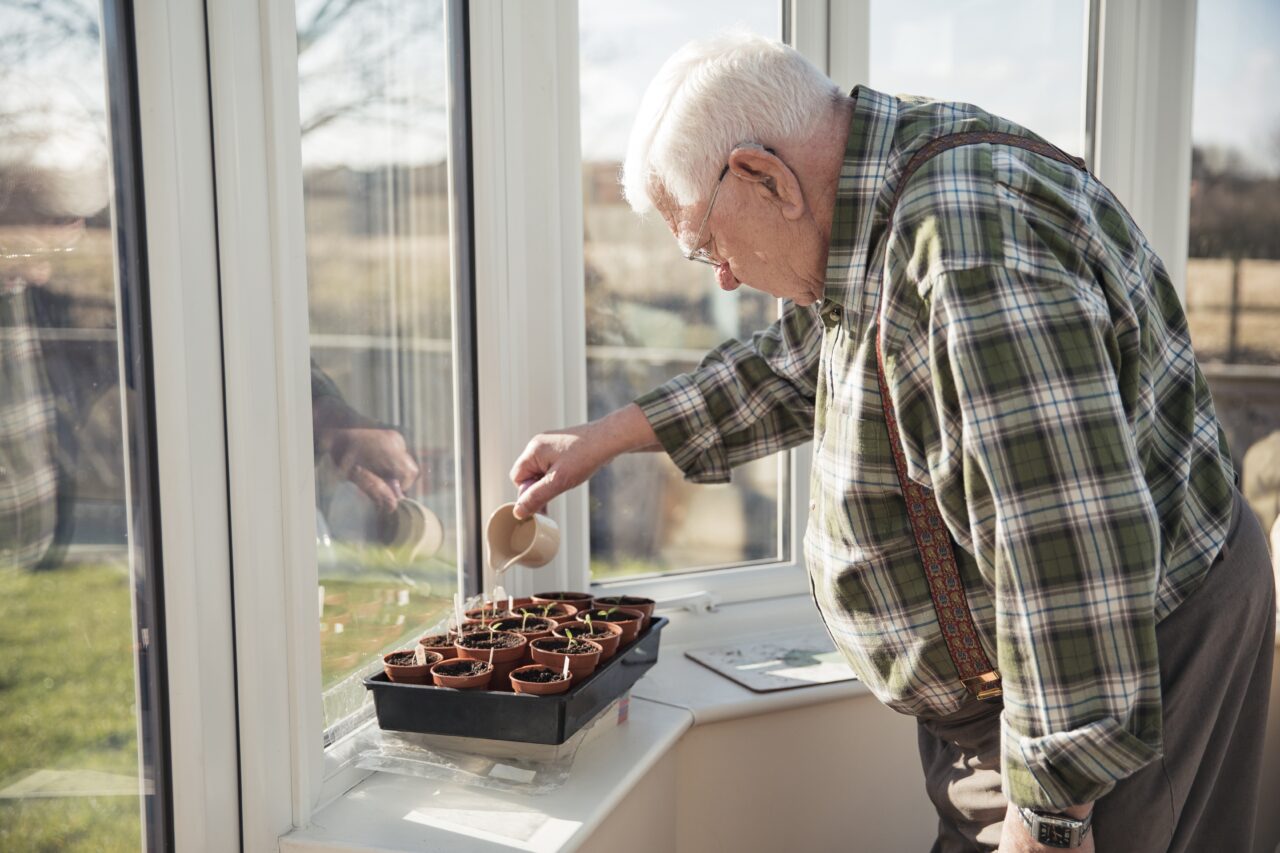
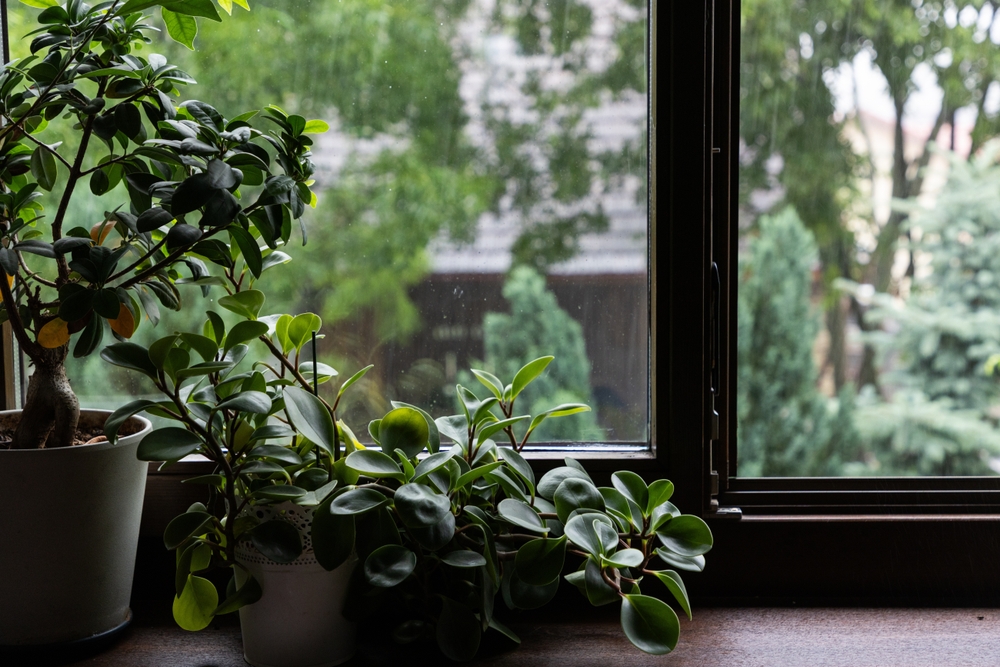
And of course, the wellbeing benefits of nature aren’t limited to those we experience when we venture outside. When we are stuck indoors, windows provide us with our sensory connection to the wider world. For all of us, but particularly those with limited mobility or who are in a health or social care setting, a view of trees, natural daylight, the sound of birdsong and a little breath of fresh air can raise our spirits and give us a physical boost at the same time.
Take a moment today to notice your surroundings
What about the environment around you helps you to feel good? Consider if there are any small changes that might help you and others to feel more comfortable and connected.
For more ideas, practical tips and inspiration to help you build wellbeing into everyday life, explore the Hapus wellbeing tools.
You might also like...

Embracing culture and heritage to support mental wellbeing
Keeping connected: small moments for wellbeing